Replicating what was considered impossible
For decades, real levitation without magnetic tracks, air jets or external supports was treated as pure fiction. Countless attempts reproduced only the appearance of a hoverboard, never the underlying physics.
Achieving stable, controlled lift from the ground up, built by a small team, iteration after iteration, is what turns T.A.R from a dream into a genuine milestone: the demonstration of a principle many said could never be replicated.
“The place where dreams are built”
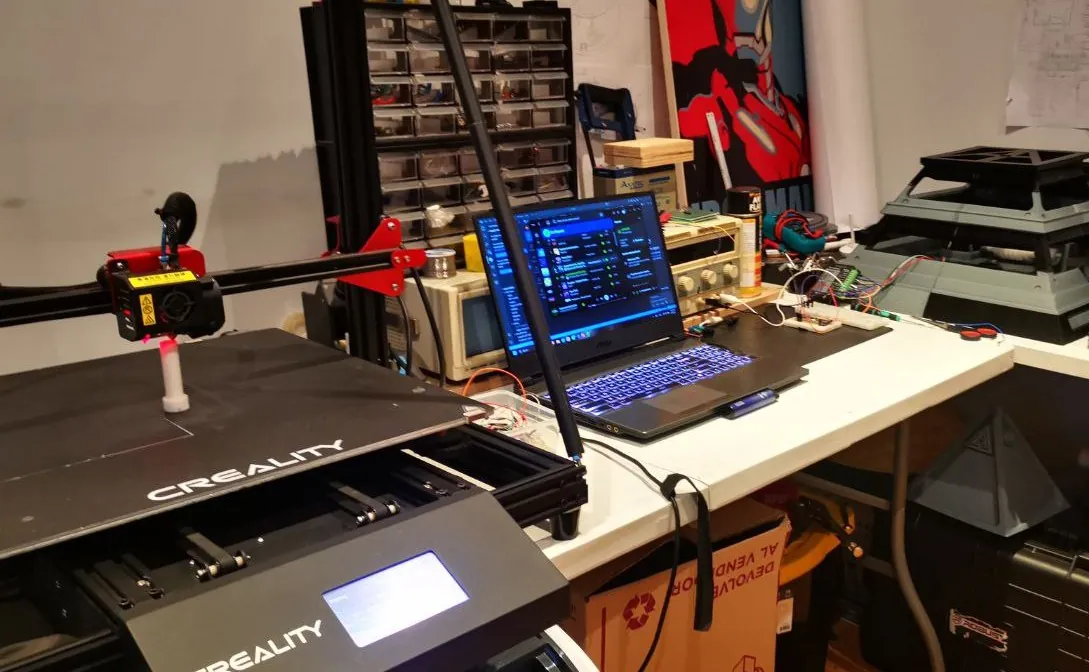
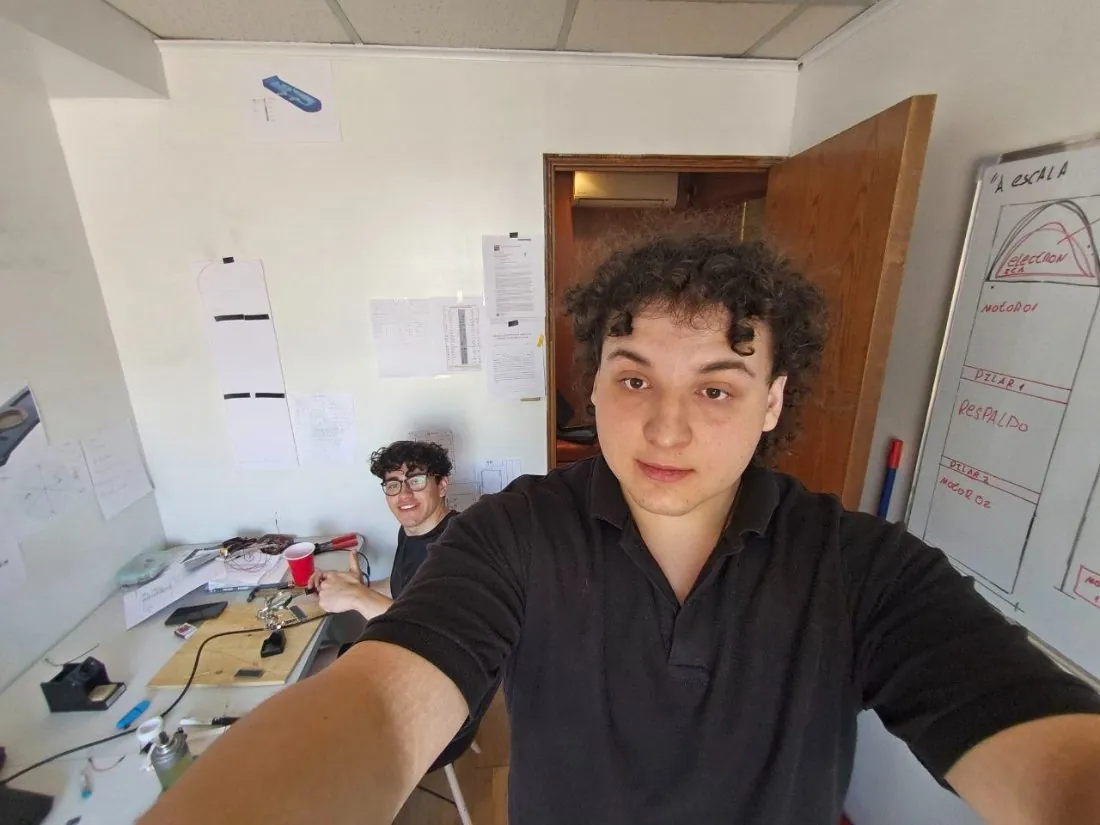
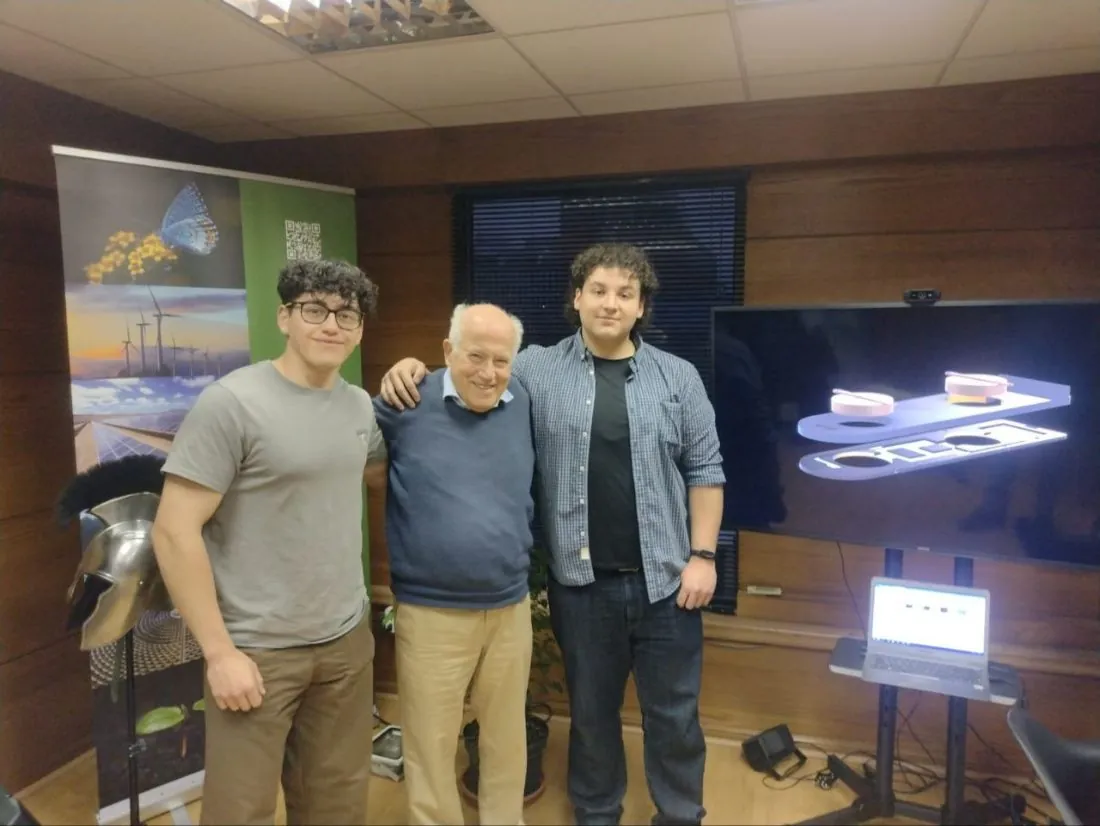
How others tried to build a hoverboard
Every previous approach depends on an external condition, a special surface, a constant airflow or extreme cold. None of them let the board float freely over any ground.
Electromagnetism
Opposing magnets or electromagnets push the board upward, but only above a dedicated magnetic track. Step off the rail and it drops, it cannot levitate over ordinary ground.
It is a prisoner of its rail: outside the dedicated magnetic track it simply falls. The board never levitates over the ground, only over the infrastructure built to hold it up.
Air motors
Powerful fans or ducted turbines blow air downward, like a hovercraft. It works on almost any surface, but it is loud, unstable, power-hungry and never truly ‘floats’, it is pushed up by its own wind.
It does not float, it fights: a loud, unstable machine held up by brute force, burning enormous energy just to stay off the ground. What you see is not levitation, it is wind pushing back against a fall.
Superconductors
Quantum locking lets a superconductor levitate over a magnet with stunning stability, but only while cooled with liquid nitrogen to about −196°C, and again only above a magnetic surface. Impractical for a board you could actually ride.
Its stability is borrowed from the cold: keep it flooded with liquid nitrogen at −196°C and it holds; let it warm even slightly and it drops. A breathtaking lab demo tethered to a cryogenic tank, never a board you could carry outside.
T.A.R: solving it in a way never seen before
Where every other approach adds a crutch, a track, a jet of air, a tank of liquid nitrogen, T.A.R removes them all.
No magnetic rail underneath, no downward wind, no cryogenic cooling. Instead of forcing the board up against gravity with brute power, T.A.R works with the underlying physics itself, a self-contained principle that lets it hold a stable, controlled lift over ordinary ground, on its own battery, quietly.
That is what makes it elegant: it does not imitate the hoverboard from the movie, it finally delivers the thing itself, through a route no one had taken, a proprietary physical principle we don't yet disclose while patent protection is completed.
Because we operate under trade secret, we don't disclose the mechanism or show the system running until patent protection is complete. What we can back up are the measurable results from our test bench and in-person demonstrations under a non-disclosure agreement (NDA).
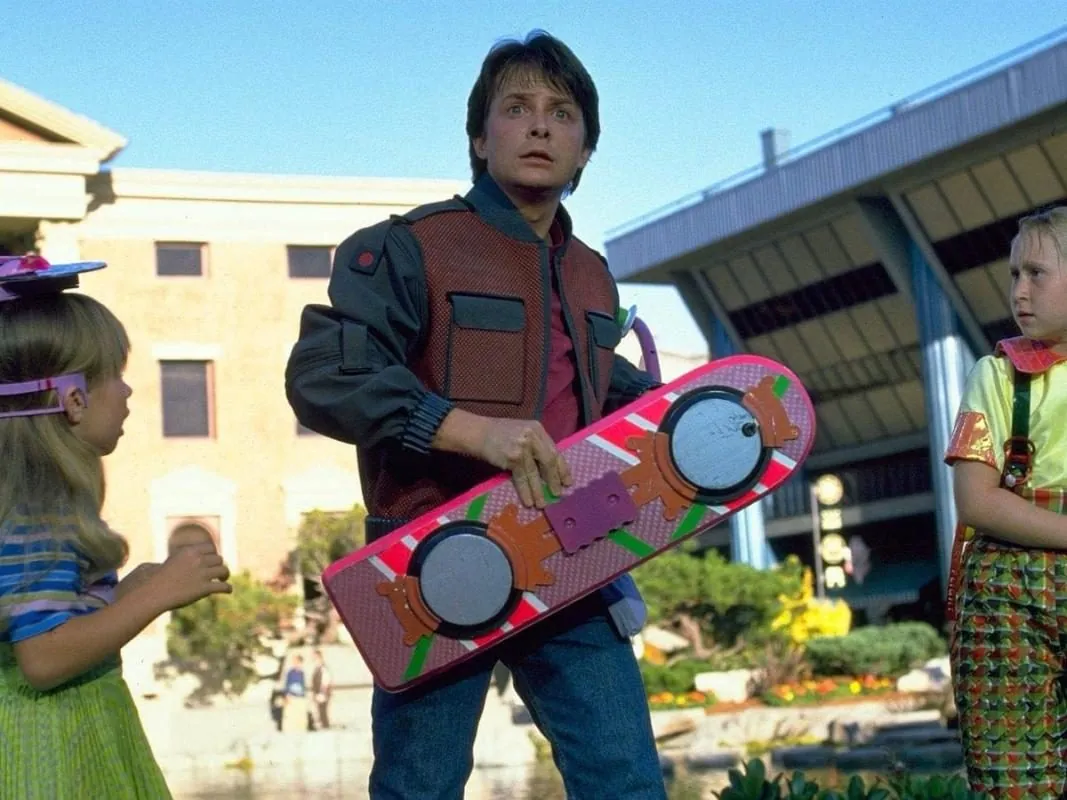
What makes it historic is not its size, it is that so much fits inside so little. The whole principle, its control systems and its power live in a board you can hold in one hand, floating on its own with no track and no external help.
Back to the Future 2 promised the hoverboard for 2015. The elegant solution is arriving 11 years late on that promise, but it is arriving real, in a form the movie only imagined.