Quantum Futura
The first board that doesn't roll
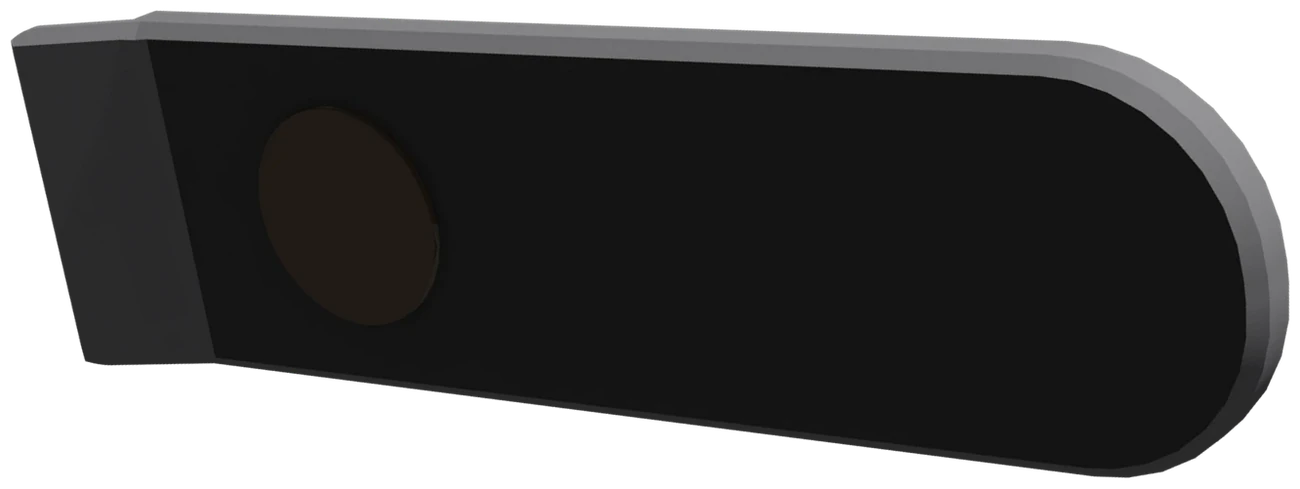
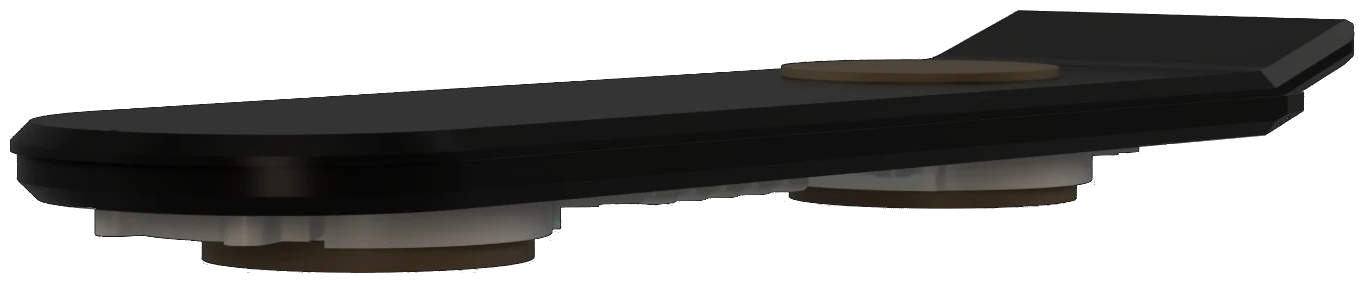
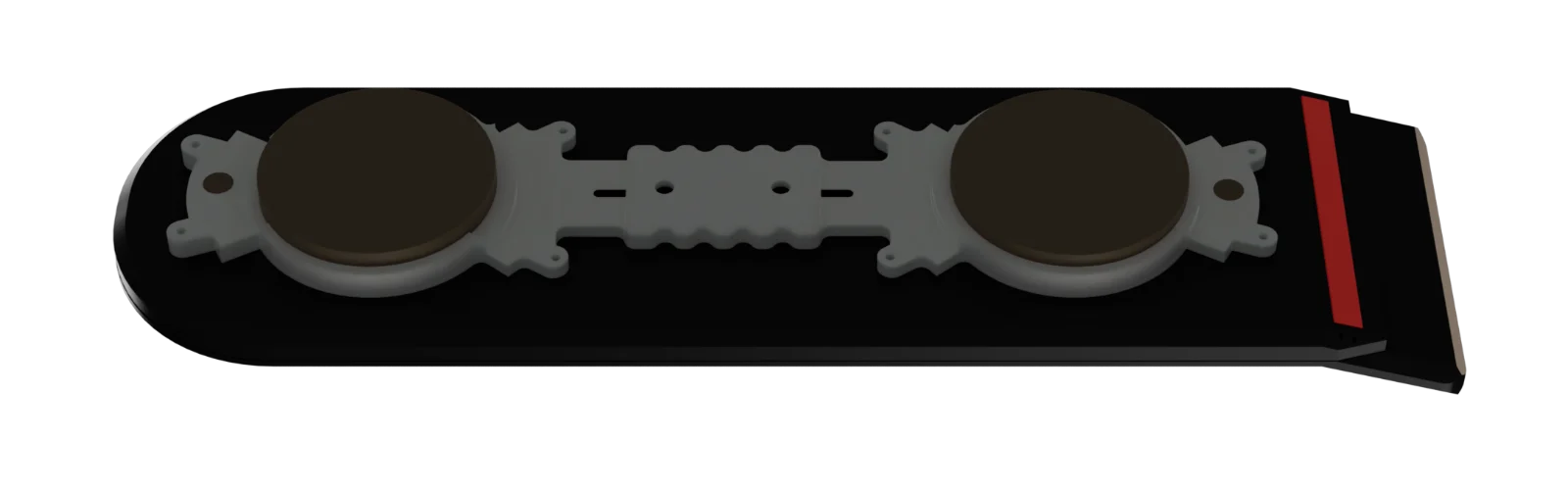
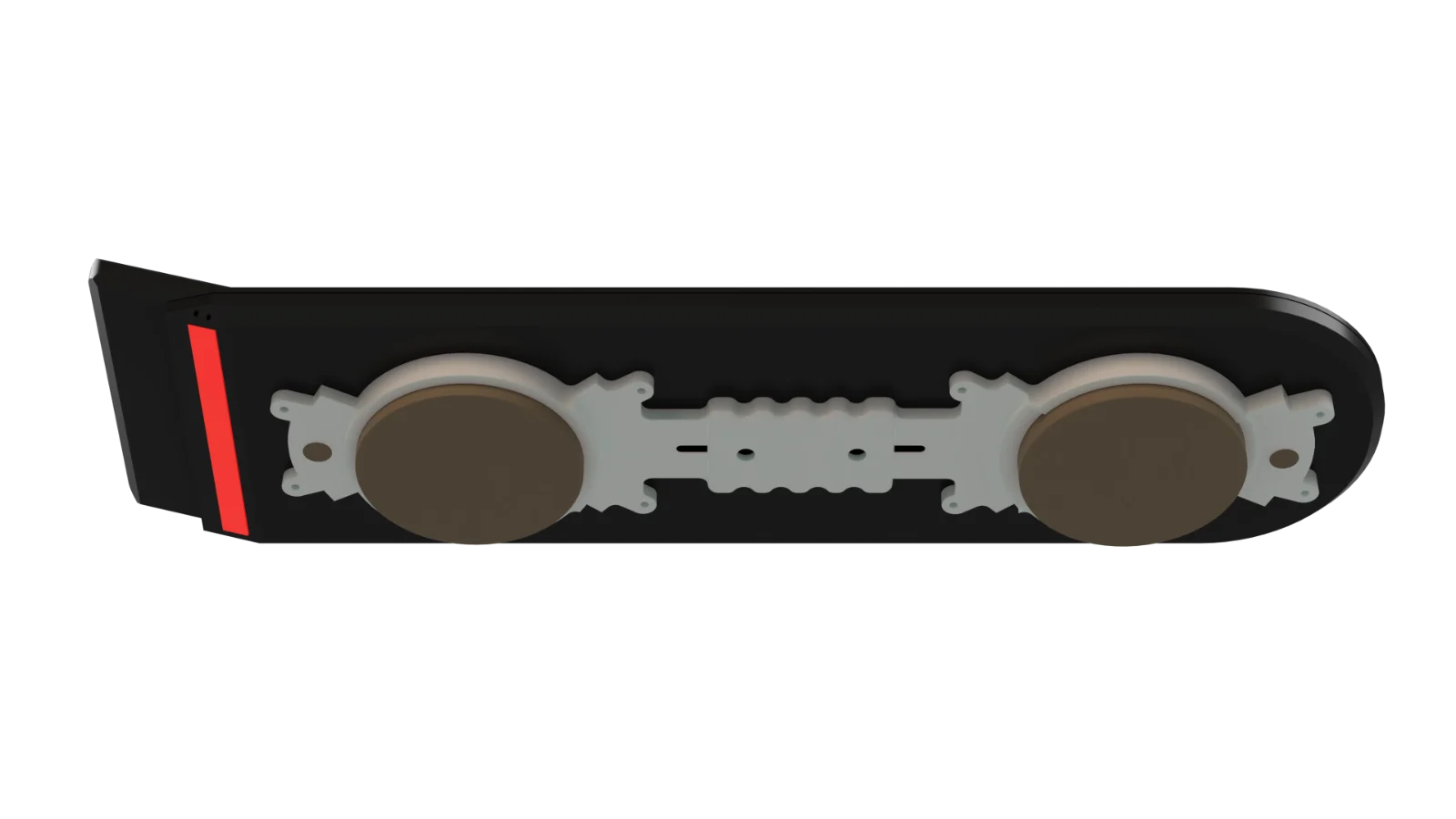
T.A.R swaps trucks for a proprietary lift core. No wheels and no mechanical friction with the ground.
We don't rely on magnetic principles. T.A.R runs on a proprietary physical principle that, for patent protection, we don't yet disclose, validated in a measurable and repeatable way on our test bench.
Moved by you
Proprietary core
A set of coils coupled to a module replaces the trucks. Bench tests project stable lift from 2 to 10 cm above the ground, adjustable from the app, with no mechanical friction.
Active stability
The T.A.R algorithm reads your weight and lean 1,000 times per second to keep you stable, even through turns.
Body control
You ride it with your body, like a classic board. The app is for taking off, choosing the mode and setting it up.
- 25 km/h: top speed (projected)
- 38 min: range (projected)
- 40 min: charge (projected)
- 3.4 kg: weight (projected)
Figures projected from our test-bench trials. They may change in the final product; definitive values will be confirmed before launch.
T.A.R's design includes a range of subsystems, among them L.O.C: just as the module generates lift, the same principle can pin it to the ground —based on bench tests, with a force equivalent to about 200 kg— at the bearer's will, intended as an anti-theft measure.
30 engineering subsystems planned in T.A.R's design
The only dreams that don't come true are the ones never dreamed. (Bastian G.)
We're looking for strategic partners
T.A.R has a working test bench that demonstrates the principle in a measurable, repeatable way. We're looking for partners and investors to fund the build of the prototype. We offer in-person demonstrations under a non-disclosure agreement (NDA).
Contact the founder →
The founder behind T.A.R
Engineering developed in Chile, with one goal: making skating feel like flying.
Bastian Gaete, Chief Engineer · CEO. bastian@quantumfutura.cl
We are a team of 8. The other 7 members work incognito: for their safety and to protect the project, their identities remain confidential.
Frequently asked questions
Is this real?
Yes. T.A.R is real engineering work, currently in prototype phase, with a test bench that demonstrates the principle in a measurable, repeatable way. We operate under trade secret until patent protection is complete, so we don't publish the mechanism or video of the system running; we do share bench results and in-person demonstrations under a non-disclosure agreement (NDA).
How does it float if it doesn't use magnets?
We don't rely on magnetic principles. T.A.R generates lift through a proprietary physical principle that, for patent protection, we don't yet disclose in detail. Unlike magnetic levitation, it doesn't require a metal surface; its behavior has been measured repeatably on the test bench.
Does it work on any surface, even water?
Since it doesn't depend on metal tracks, T.A.R's principle isn't limited to magnetic surfaces: bench tests point to lift over asphalt, dirt, concrete, wood and uneven ground. Its behavior over water is still under study.
How much weight can it carry?
Based on bench tests, the system is projected to stably support a load equivalent to a rider up to 120 kg. The L.O.C system continuously adjusts lift according to the detected load.
What's the range and how long does it take to charge?
Based on calculations derived from our test bench, T.A.R projects about 38 minutes of range and a top speed of 25 km/h, with a full charge of around 40 minutes. These are figures projected from measured data, which we'll confirm in the coming phases.
Is it safe? What happens if the power cuts out?
It's designed to be. On power loss, the system is designed to descend in a controlled way until it rests on the ground, with no free fall. Based on bench tests, the L.O.C system can also pin the board down with a force equivalent to about 200 kg on demand, intended as an anti-theft measure.
Can I see it in person or buy one now?
We're in the prototype phase and there's no open public sale yet. For demos, press or partnerships, reach us through the Contact section.